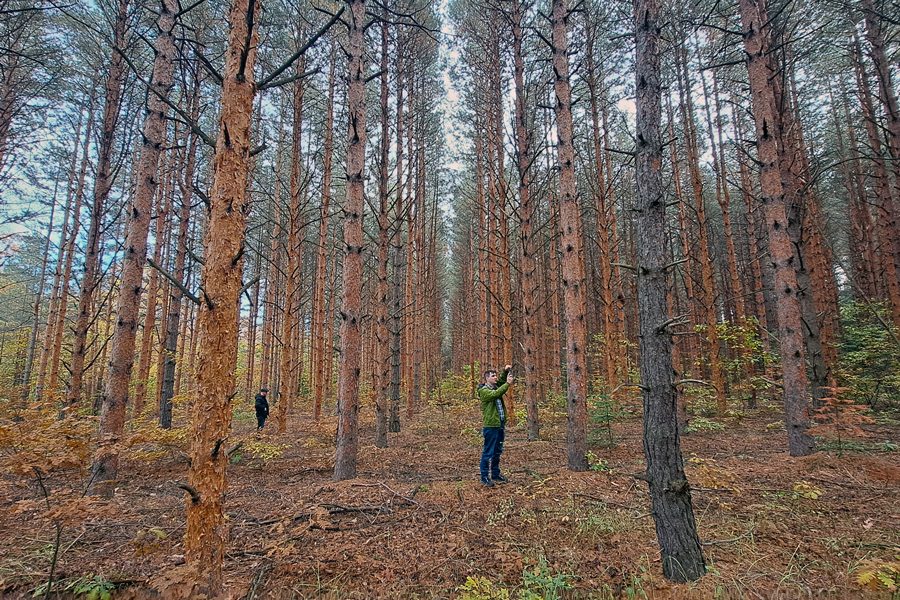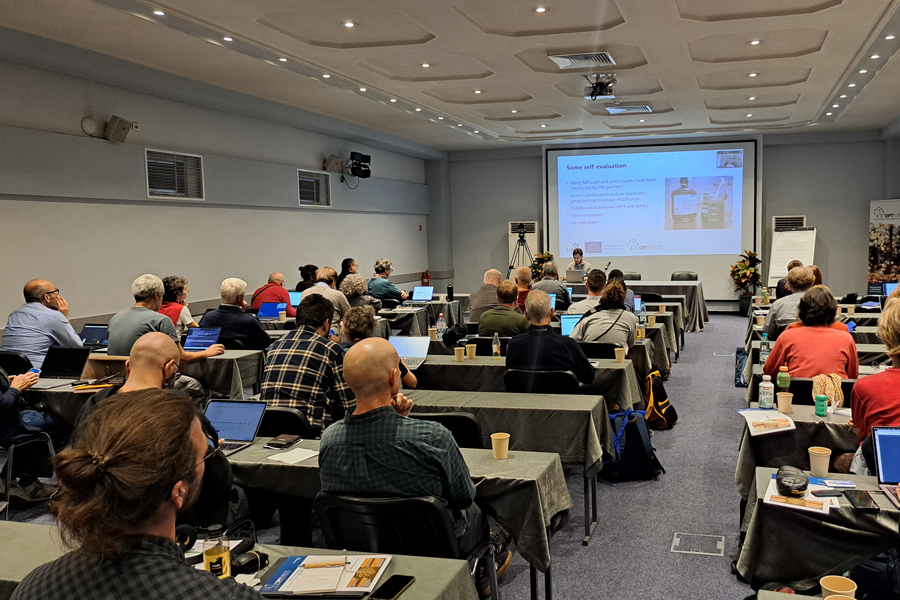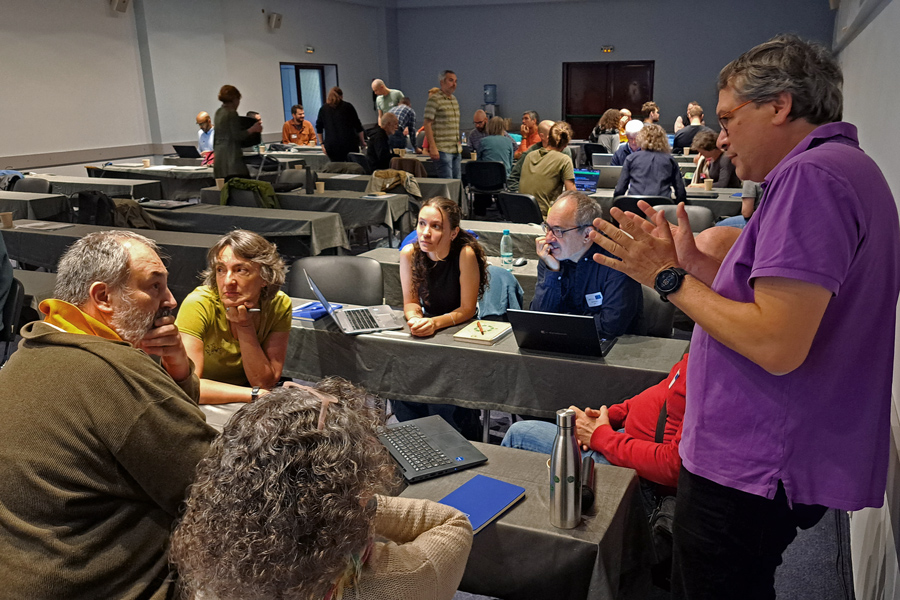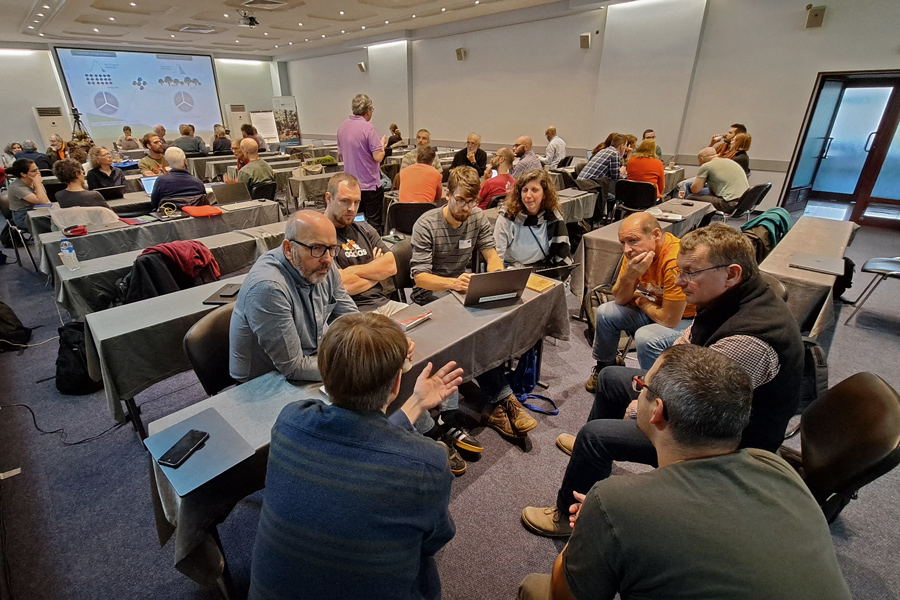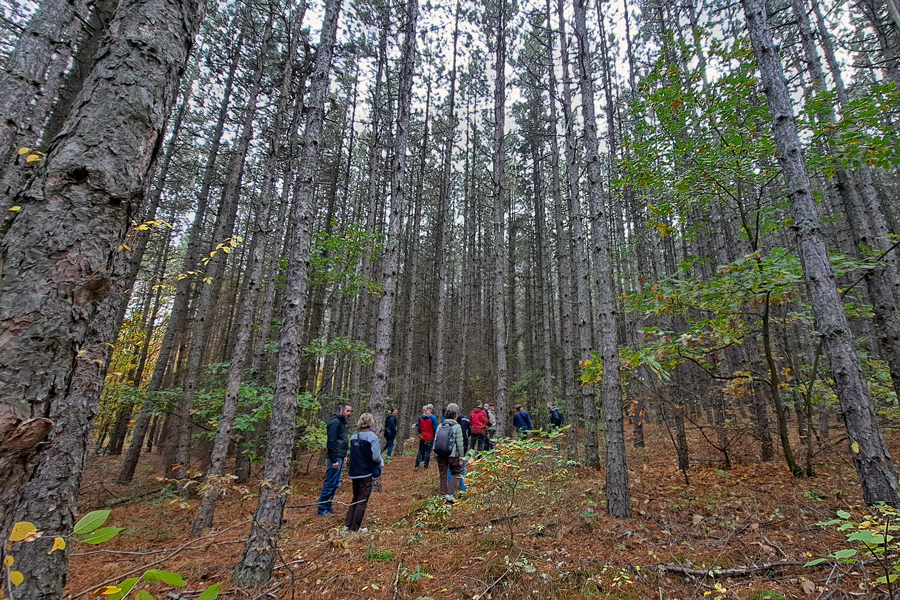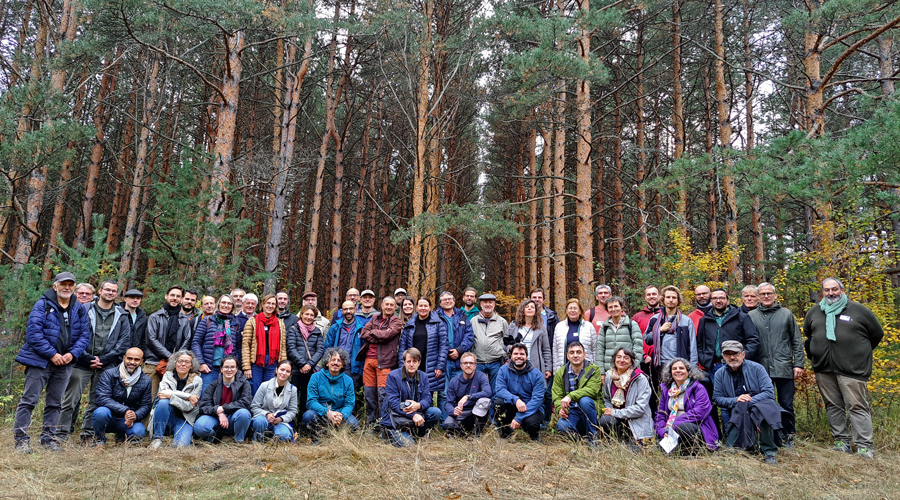
The 2025 OptFORESTS Annual Meeting, held from 21–23 October in Sofia (Bulgaria), marked an important stage for the consortium as it moves from collecting data to using it in a more practical and coordinated way. Hosted by the Executive Forest Agency and the Forest Seed Control Station (FSCS), the event gathered partners from across Europe to review progress, prepare for the next reporting period, and strengthen links between scientific, operational and policy work. With plenary sessions, technical discussions and a field visit to the Ihtiman common gardens, the meeting offered a clear sense of a project entering its mature phase.
Reporting readiness and scientific momentum
The meeting opened with WP1 guiding partners through the workflow for the upcoming reporting period and the European Commission review. A hands-on session allowed participants to start drafting their contributions, stressing the need for consistency across WPs as OptFORESTS begins to make fuller use of its growing datasets.
Scientific presentations helped set the tone for the days ahead. An overview of Bulgarian forestry gave a concrete picture of how heat, drought and changing regeneration patterns are already affecting forests, reminding everyone why the project’s work matters. A keynote on evolutionary potential encouraged partners to revisit common assumptions about tree adaptation, suggesting that early life stages and small-scale variation may explain more than traditional provenance trials often show. These points connected well with ongoing work in modelling, nursery practices and the development of common gardens.
Linking genetics, nurseries, modelling and policy
Across WPs, it became clear how closely the different parts of the project are now linked. For example, finalization of the (already-existing) common garden database, with over one million entries, and progress on the establishment of new-generation common gardens (finalising designs, transporting seedlings, preparing plantation sites and database work) showed that the experimental base is now ready to support more detailed analyses. At the same time, plans to complete the genotyping of marginal and declining populations, and to combine datasets from other projects reflected a growing effort to work in a transparent and compatible manner.
Another noteworthy highlight presented in Sofia was the new concept of ‘breeding with silviculture’ or ‘silvogenetics’: a multidisciplinary approach to fine-scale breeding that goes beyond plant material deployment and incorporates silvicultural techniques to match genotypes with forest micro-environments.Discussions on nurseries, seed supply and seed biology highlighted Europe’s uneven production capacity and the central role that nurseries will have in climate adaptation. Preliminary modelling work estimating that seedling demand may exceed 100 billion by 2100 underlined how essential coordinated planning will become.
Sessions with a policy focus added another perspective. Early work on ecosystem services, policy frameworks and stakeholder mapping showed a complex situation, with gaps in awareness, fragmented approaches and unstable markets that could slow down Europe’s ability to use genetic resources effectively. In contrast, the WP6 nursery survey showed that many nurseries are willing to collaborate more closely and would welcome clearer guidance.
Looking ahead: from OptFORESTS data to knowledge
The Sofia meeting showed that scientific, operational and policy work cannot be treated as separate areas. Identifying best-adapted provenances is useful only if nurseries can produce the right material; modelling future demand is meaningful only when it reflects real seed and seedling supply; and policy proposals gain credibility when supported by strong genetic and ecological evidence.
Throughout the presentations, discussions and the field visit, a common message appeared: strengthening Europe’s forest resilience will require closer links between genetics, management and governance than in the past. As OptFORESTS enters 2026, the consortium appears increasingly coordinated around this shared direction and ready to turn its expanding body of data into knowledge that can genuinely support Europe’s forests.