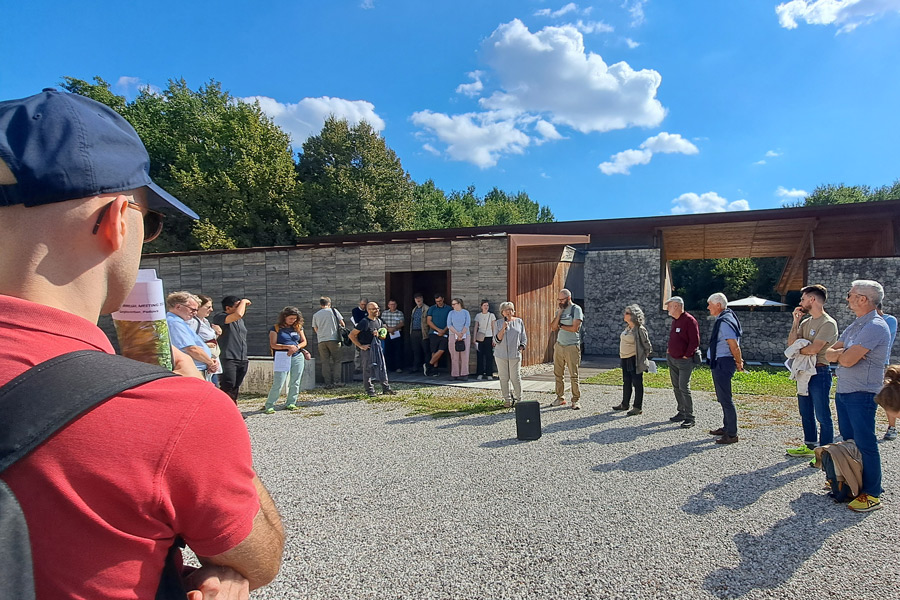
Europe wants billions of new trees in the ground. OptFORESTS is helping to answer some fundamental questions: where will the seed come from, will it be suited to the climates those trees will face, and how can this knowledge reach the people making decisions on the ground? In September, the project's partners met in Padova for the last time before the focus shifts from generating evidence to delivering impact.
That is the territory of OptFORESTS, a Horizon Europe project working on forest genetic resources (the genetic diversity held within and between tree species) and on forest reproductive material: the seeds, cuttings, and seedlings used to establish new forests. The distinction matters more than it sounds. Two oaks of the same species, one from southern Spain and one from Denmark, carry different genetic instructions, shaped by thousands of years in very different places. Plant the wrong one in the wrong climate, and it may survive for decades, then fail in the first serious drought.
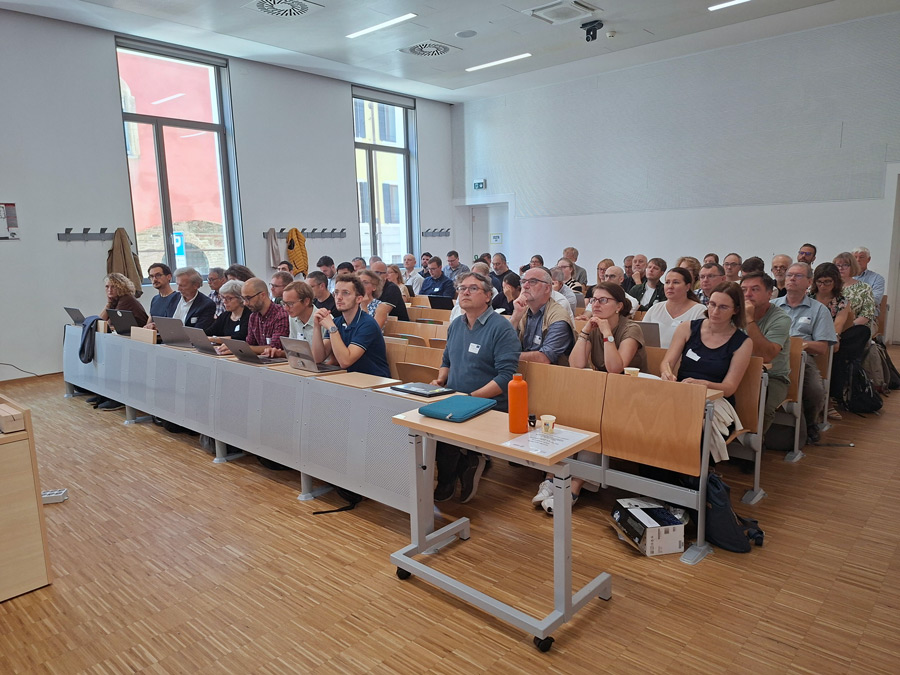
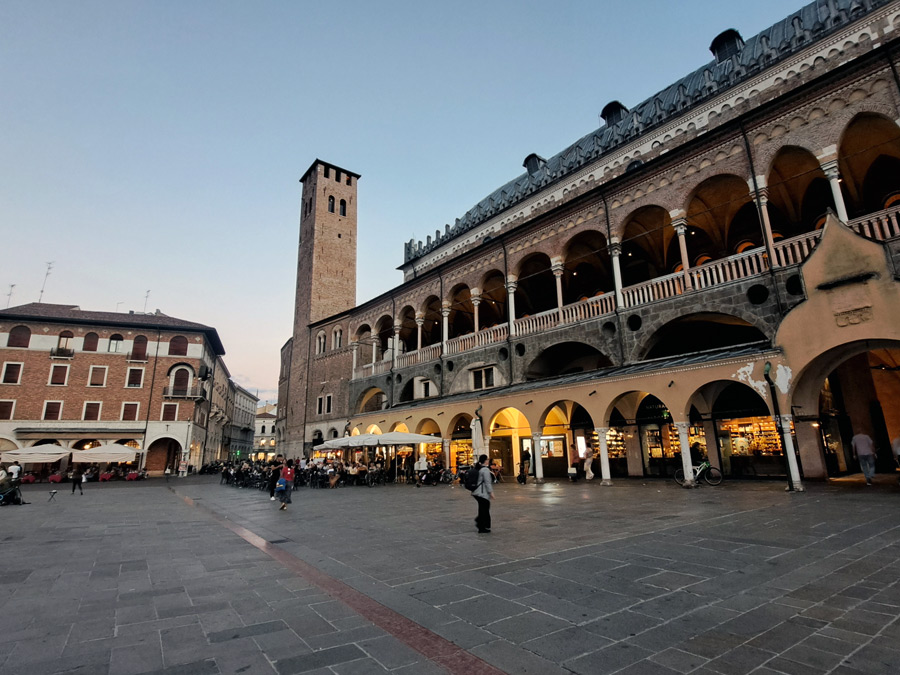
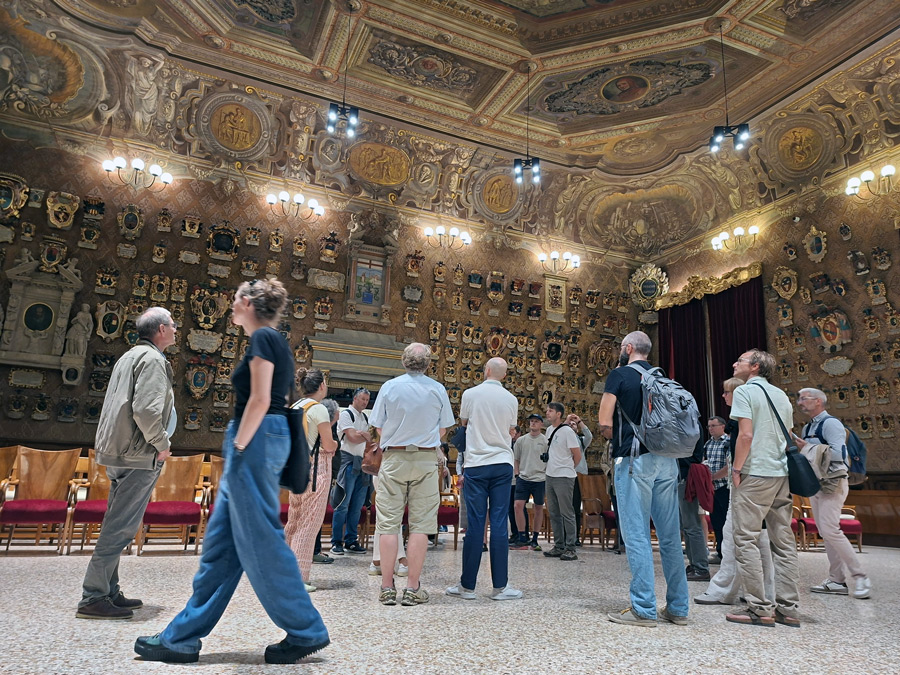
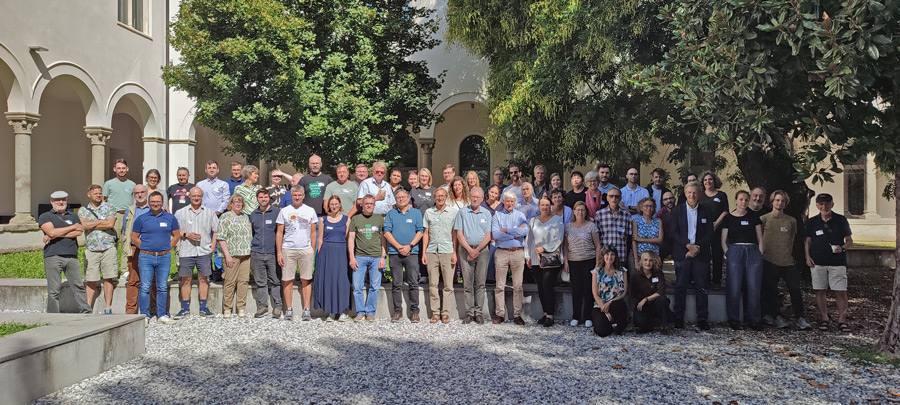
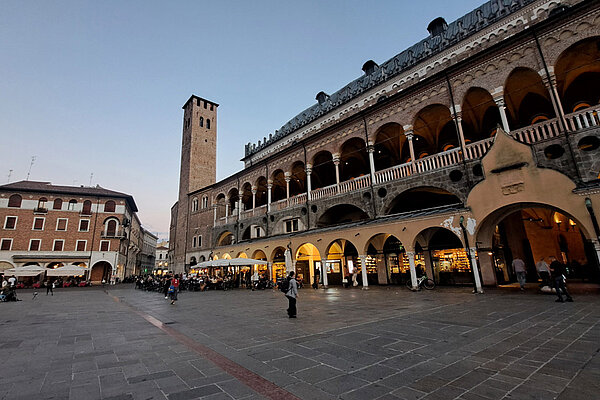
From 22 to 24 September 2026, around 65 partners gathered in Padova, hosted by the TESAF Department of the University of Padua and Etifor, for the project's fourth and final Annual Meeting. The coordinator opened with a slide that set the tone for the three days ahead: Focus on impact. With the project ending in October 2027, the science is largely done. What remains now is ensuring that the knowledge generated can be translated into practical tools, guidance, and recommendations for those who will ultimately use it.
How many seedlings does a continent need?
One of the starkest moments came from the work on future supply. If Europe were to respond to climate change through assisted migration, meaning deliberately moving tree populations to places where the climate will suit them in decades to come, how much planting material would that take?
The modelling, recently accepted for publication in Nature Communications Earth & Environment, puts the figure at more than 100 billion seedlings, with oaks in particularly high demand. A parallel analysis turned the question around and asked what climate change will do to the production of seed itself, modelling 67 species across three time horizons and two emissions scenarios.
Put the two together, and you have the project's central practical problem: demand on one side, a seed supply under pressure on the other, and a gap that nurseries across Europe will have to close.
“Where did this tree come from?”
Ask a forest owner where the trees on their land originally came from, and you may get a surprisingly good answer. A Europe-wide survey carried out by the project reached more than 10,000 contacts and collected 746 responses from 40 countries. Between 88 and 100% of professional respondents considered records of origin important, and where the origin was known, 91% kept a record of it.
The problem is what happens to those records. Most sit on paper or in private files. Publicly accessible records are rare, and there is little agreement on how long the information should be kept, even though the tree planted today may only reveal how well it was suited to the site in 50 years' time.
Making the common gardens outlive the project
Some of the most forward-looking discussion in Padova concerned trees that have only just been planted. A common garden is a simple but powerful experiment: you take seedlings from many different origins, plant them together in one place, and watch which ones cope. Because they all face the same weather, soil, and pests, the differences between them are genetic. OptFORESTS has established a new generation of such trials across Europe, and they will only really pay off decades from now.
Which raises an awkward question: who looks after them once the funding stops? Partners agreed that each site needs its own maintenance plan, ready by mid-2027, and discussed a schedule for joint measurement campaigns stretching into the 2030s and beyond, including after any year of severe drought or heat, when the trials have the most to teach. They also looked at anchoring the network in longer-lived structures, such as the EVOLTREE research network or the emerging In-sylva Europe infrastructure, so that the data outlives the project that produced it.
What the sector and the experts are saying
Science is only half the picture. Over the past two years, the project has run eight national workshops in local languages across Spain, Finland, Italy, Slovenia, Denmark, Romania, Norway, and France, bringing 71 people from business, policy, civil society, and academia around the table. Asked what holds back the sensible use of forest genetic resources, they were blunt: limited political interest, data that does not connect, and no economic incentive to do better. Asked what gives grounds for optimism, they pointed to the growing political attention on forests and the fact that expert advice increasingly reaches legislation.
A scientific talk by Davide Pettenella (University of Padua) placed all of this in context, arguing that the EU Nature Restoration Law is not an investment programme for the forest sector but a transformative policy: one whose success will depend on how public authorities and private actors learn to work together.
A habitat on the edge
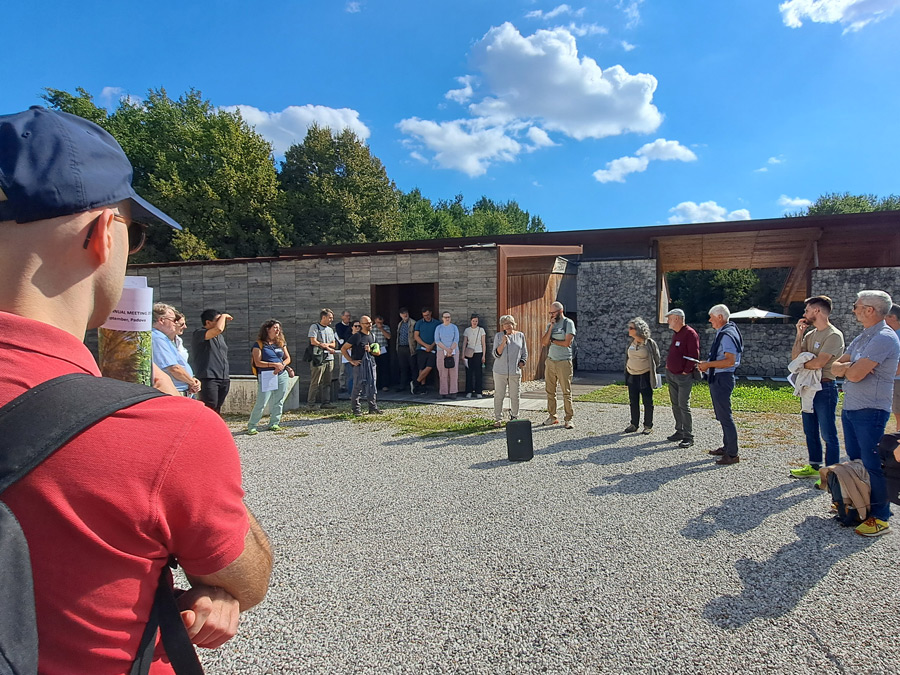
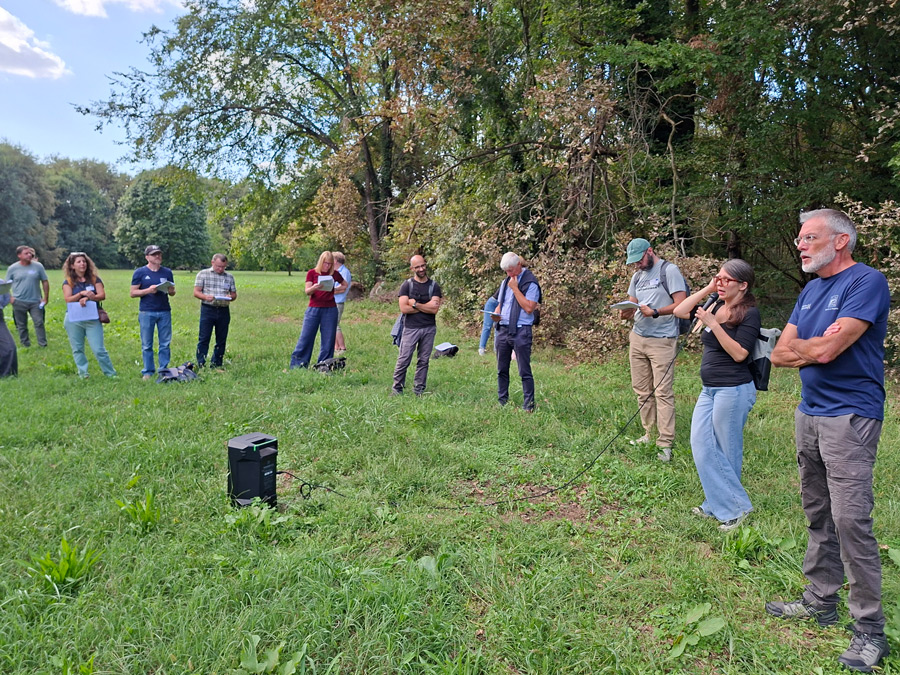
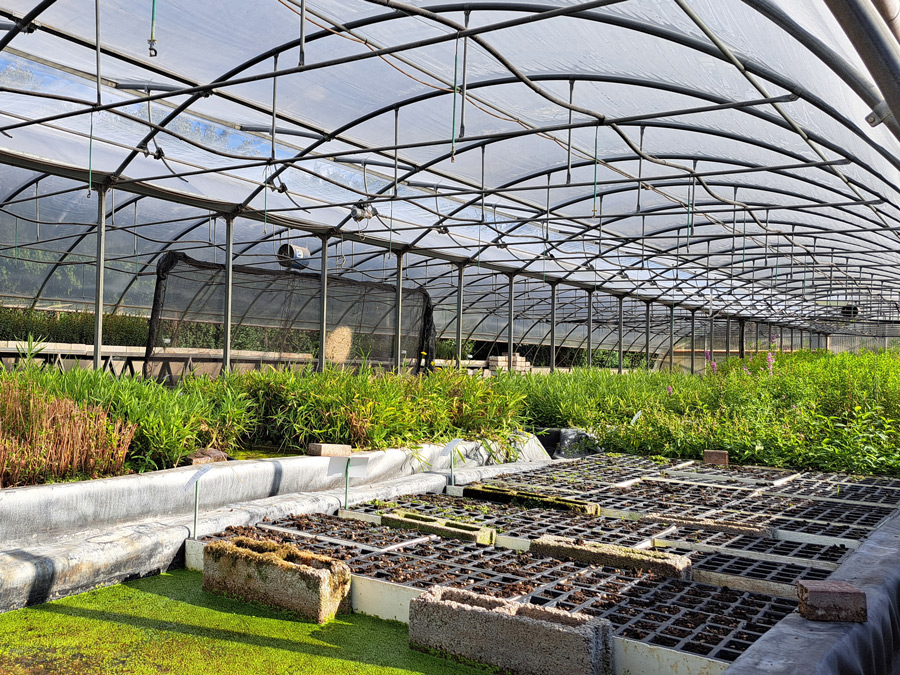
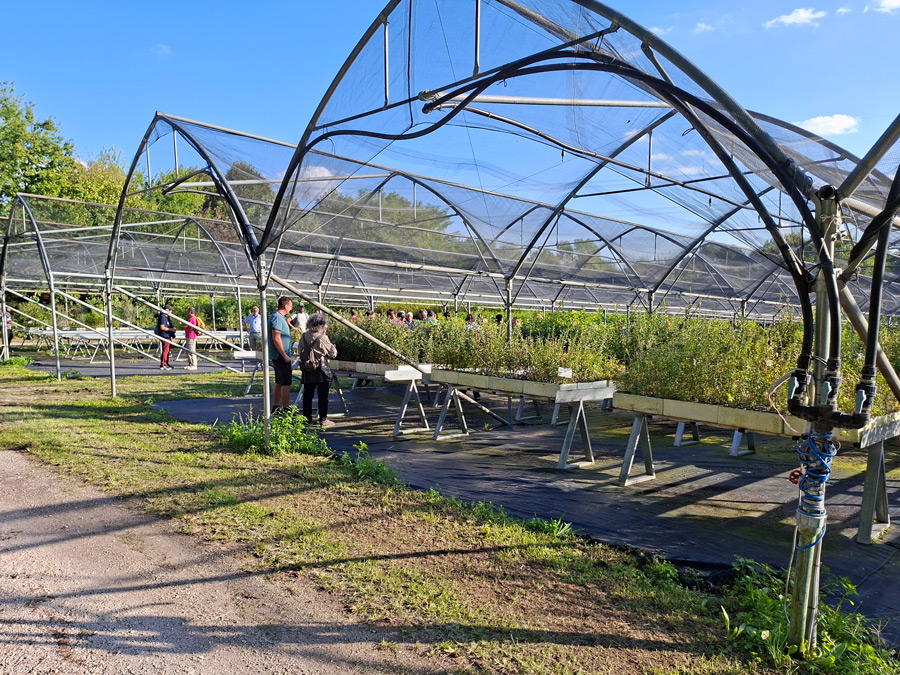
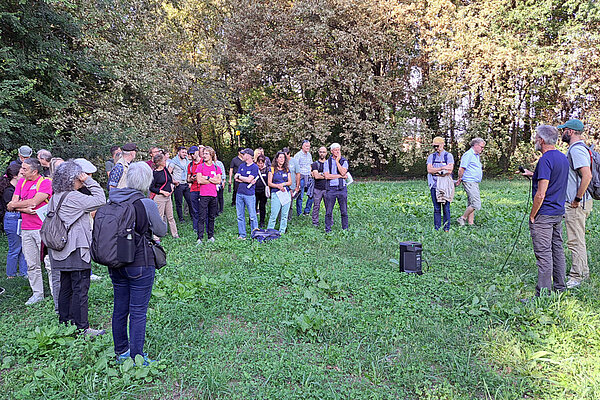
On the second day, partners travelled to the wooded strips of the Corte Bertesina organic farm near Vicenza and to the Veneto Agricoltura forest nursery. The visit gave the numbers a place: of the more than 414,000 hectares of forest in the Veneto region, only around 60 remain as lowland oak–hornbeam woodland in the strict sense, a habitat almost entirely displaced by farming, industry and settlement. The nursery, producing some 600,000 plants a year from around 300 native species, showed that restoring such habitats depends on having the right material, of the right origin, in sufficient quantity.
The last mile
The final session was about something research projects often leave too late: making the results usable. From November, the project's communication work enters its final phase, built around a package of key messages drawn from across the consortium and turned into things people will actually read: short briefings for policymakers, stories and visuals for a general audience, webinars and practical guidance for forest managers, factsheets for nurseries.
The discussion that followed was revealing. Partners asked for support in translating materials into national languages, pointing out that many forest managers and nursery growers do not work in English. Others noted the tension between writing in plain language and keeping scientific precision: a reminder that the right level of language depends on who is reading, not on who is writing.
Between Padova and the final conference in October 2027, OptFORESTS has a year to turn four years of trials, surveys, and models into guidance that reaches the people who decide what gets planted, and where. The meeting closed on exactly that question, with a session on the project's legacy and its links to the future European Forest Partnership. The trees, after all, will still be standing long after the project has filed its last report.
Photo gallery