EU Access and Benefit Sharing (ABS) Regulation in Practice
Navigating EU Access and Benefit Sharing regulation for researchers
The EU Access and Benefit Sharing (ABS) Regulation ensures that benefits from using genetic resources in research are shared fairly with the countries providing them. For researchers working with forest genetic resources, understanding when and how these rules apply is essential, but often unclear.
This guide, developed within the OptFORESTS project, translates the legal framework into practical, researcher-friendly guidance.
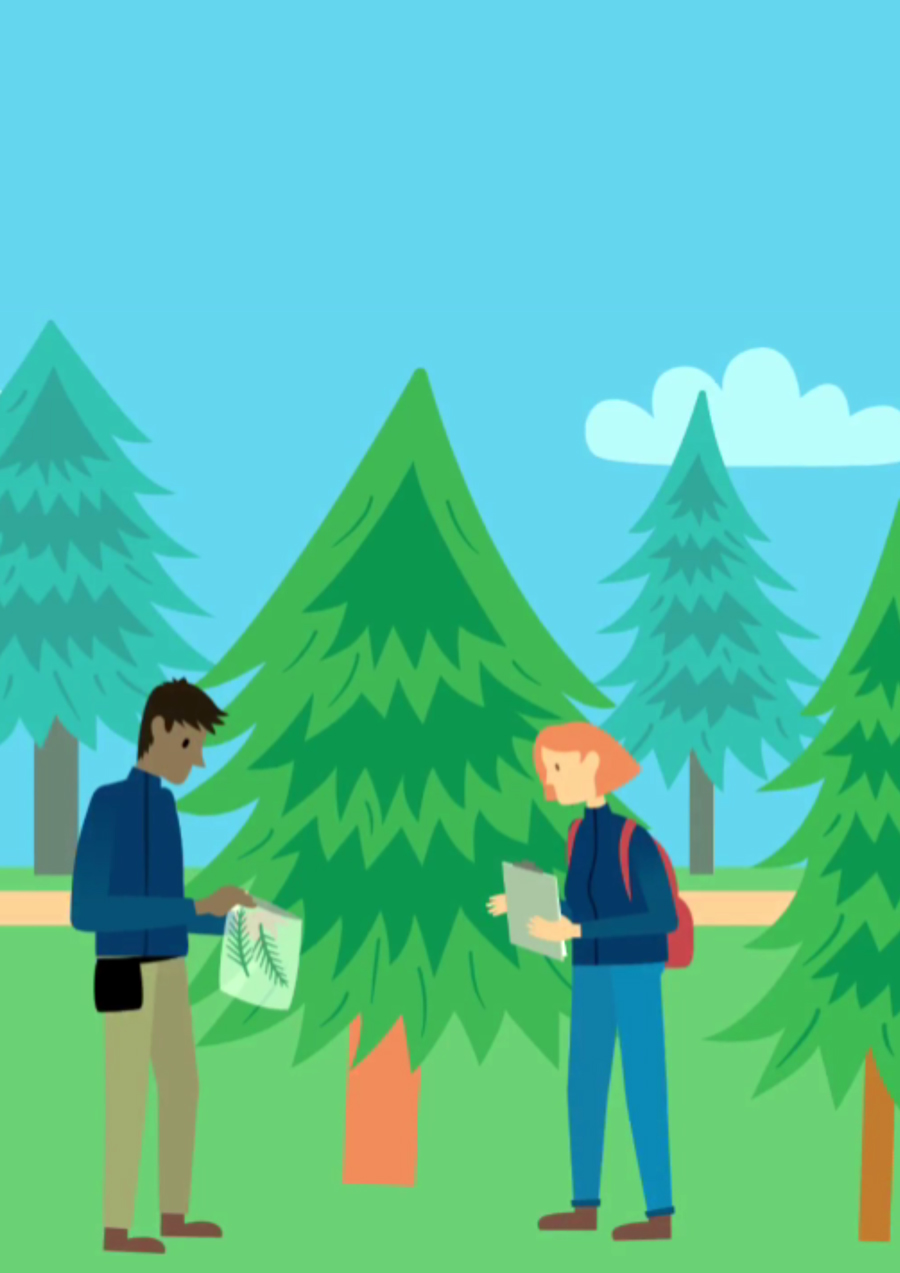
What is ABS?
The Nagoya Protocol is an international agreement that establishes rules for accessing genetic resources and sharing the benefits arising from their use. In the EU, Regulation (EU) No 511/2014 implements these rules, requiring researchers to demonstrate due diligence — ensuring that any genetic resources they use were obtained legally from the provider country.
Key principle: If you conduct research and development (R&D) on the genetic or biochemical properties of a resource, you may have compliance obligations.
Does ABS apply to your research?
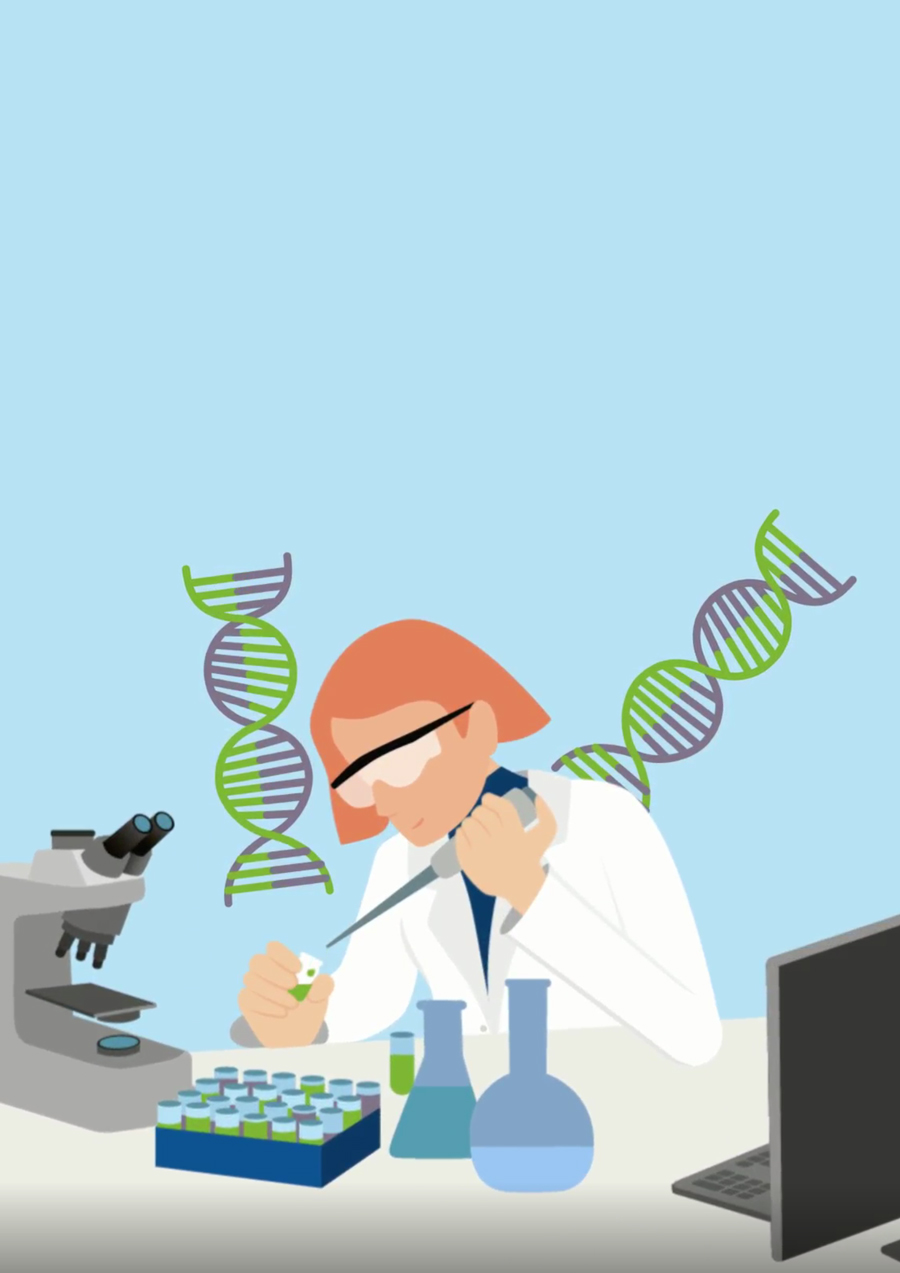
Not all use of genetic material falls under ABS. You must evaluate your specific case against these criteria:
- Material ⇒ Does it involve genetic resources, derivatives, or associated traditional knowledge?
- Access date ⇒ Was the material accessed after 12 October 2014?
- Location ⇒ Does any part of the research take place in an EU Member State?
- Provider country ⇒ Is the provider country a Party to the Nagoya Protocol?
- Legislation ⇒ Did the provider country have ABS legislation at the time of access?
- Utilisation ⇒ Are you conducting R&D on the material's genetic or biochemical properties?
If all criteria apply, your work falls under the EU ABS Regulation. If not, document why the case is out of scope and retain that record for at least 20 years.
Step-by-step compliance guide
| Step | Description |
|---|---|
| Step 1 Identify the provider country and its requirements | Check the ABS Clearing-House to determine whether the provider country is a Nagoya Protocol Party and whether it has ABS legislation. Contact the country's National Focal Point if clarification is needed. |
| Step 2 Obtain permits and agreements | If required, apply for Prior Informed Consent (PIC) and negotiate Mutually Agreed Terms (MAT) before accessing the material. Retain all permits, contracts, and correspondence. |
| Step 3 Comply with permit conditions | Use the material only as permitted. If sharing with third parties, ensure they agree to the same terms. Fulfil any benefit-sharing obligations (reports, data sharing, fees). |
| Step 4 Manage material transfers | When sending or receiving material, pass on — or request — all relevant ABS documentation. Each recipient becomes a "user" with the same obligations. |
| Step 5 Maintain records and submit declarations | Keep documentation for 20 years after utilisation ends. Submit due diligence declarations through the DECLARE portal at required checkpoints (e.g. after receiving research funding). |
How ABS works in practice
Example 1: It’s about the use, not the material (Stone pine)
Key takeaway
The same material can fall inside or outside the Regulation depending on how it is used.
What happens in this case
Stone pine seed is a genetic resource. A researcher buys a package of seed and bakes a cake for their colleagues. This is not considered research and development (R&D) and does not fall under the EU ABS Regulation.
However, if the same seeds are used to grow plants for testing or selecting specific traits, the activity becomes R&D. In this case, the researcher must check whether the activity falls within the scope of the Nagoya Protocol, including the country of origin, whether it is a Party, and whether it regulates its genetic resources.
Example 2: Research on genetic traits falls under ABS (Norway spruce)
Key takeaway
Research on genetic traits and functions is considered “utilisation”, even without commercial intent.
What happens in this case
A research project collects samples from spruce populations and carries out genomic analysis and trait measurements to study adaptability and resilience. Even if the results are only published in scientific journals, this work involves analysing genetic properties and is considered utilisation.
As a result, the EU ABS Regulation applies. Researchers must check national ABS requirements before sampling and, where required, obtain Prior Informed Consent (PIC) and establish Mutually Agreed Terms (MAT).
Looking for more detail?
The full OptFORESTS guidance provides more comprehensive support to help you understand and comply with the EU ABS Regulation. It includes:
- A step-by-step process explaining how to determine whether your research falls within the scope of the Regulation and what actions to take.
- Eight real-world examples based on common forest genetic research situations, illustrating when the Regulation applies and when it does not.
- Practical explanations of permits, obligations, and documentation, such as Prior Informed Consent (PIC), Mutually Agreed Terms (MAT), and due diligence requirements.
- Supporting materials, including illustrations and videos, to help clarify key concepts and make the guidance easier to follow.
What to remember
When assessing ABS obligations, keep the following key principles in mind:
- ABS depends on how genetic resources are used ⇒ It is the research activity (e.g. studying genetic traits or functions), rather than the material itself, that determines whether the Regulation applies.
- Not all activities fall under the Regulation ⇒ Activities such as consumption, trade as commodities, or certain types of classification may fall outside its scope.
- Research on genetic properties = utilisation ⇒ Analysing genetic or biochemical characteristics is considered “utilisation”, even if the research is exploratory or basic.
- Non-commercial research can still trigger obligations ⇒ Even when results are only published and no commercial application is intended, ABS requirements may apply and must be checked.
Additional information
Key resources
- ABS Clearing-House — Check country requirements and find National Focal Points
- EU DECLARE Portal — Submit due diligence declarations
- EC Guidance Document on the EU ABS Regulation (2021/C 13/01)
- Sharing nature's genetic resources
About this work
This guidance was developed under OptFORESTS Work Package 8 (Task 8.3) by the European Forest Institute (EFI) in collaboration with LUKE, INRAE, GIS, and BFW.